In the dynamic world of web applications, ensuring your Blazor app can handle increasing user demands is crucial. Blazor’s server-side architecture, powered by C# and .NET, offers impressive interactivity, but as your user base grows, maintaining optimal performance becomes a priority.
Scaling isn’t just about adding servers—it’s a comprehensive approach.
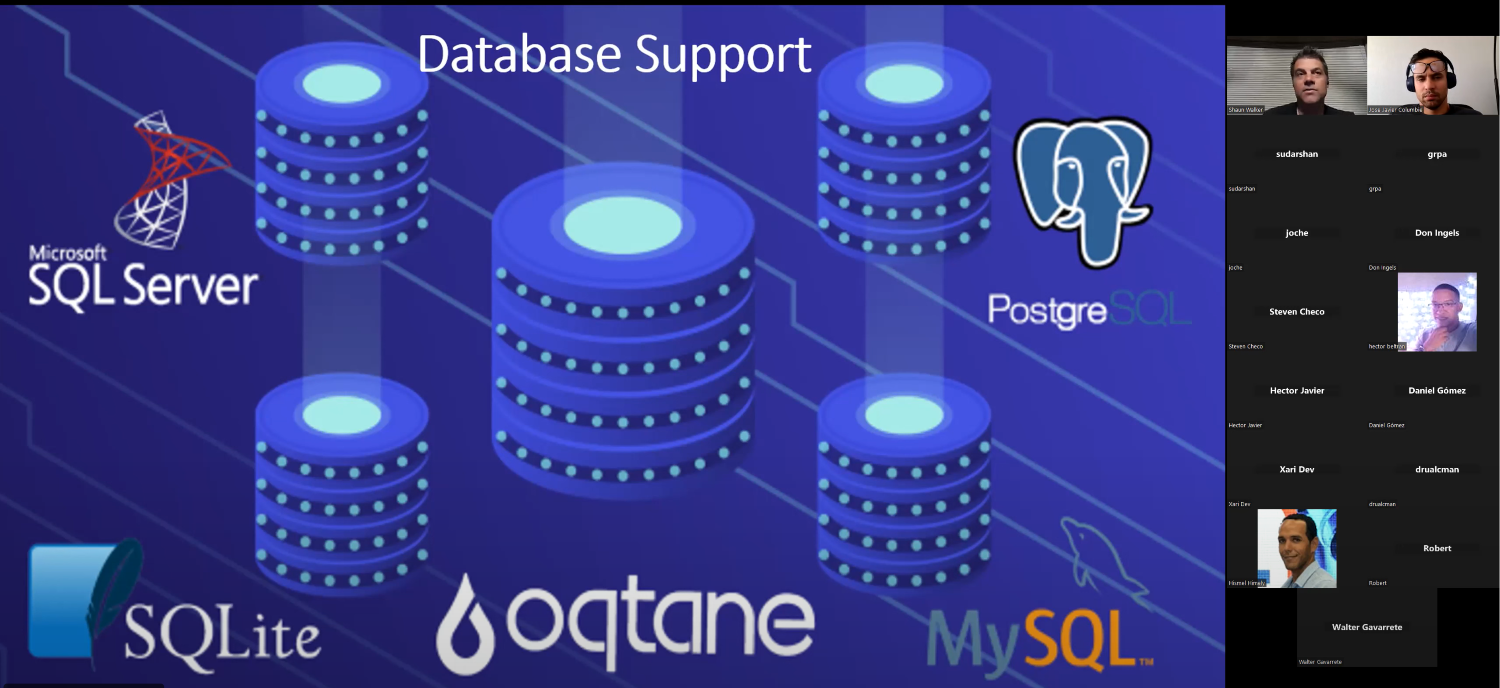
Blazor is a revolutionary single-page app framework for building interactive web apps with .NET Core. Underpinning Blazor’s ability to create interactive web UIs using C# instead of JavaScript is a robust component model which offers exciting new opportunities for developers to create dynamic web applications. In this session we will demonstrate dynamic application development using an open source modular application framework for Blazor named Oqtane.
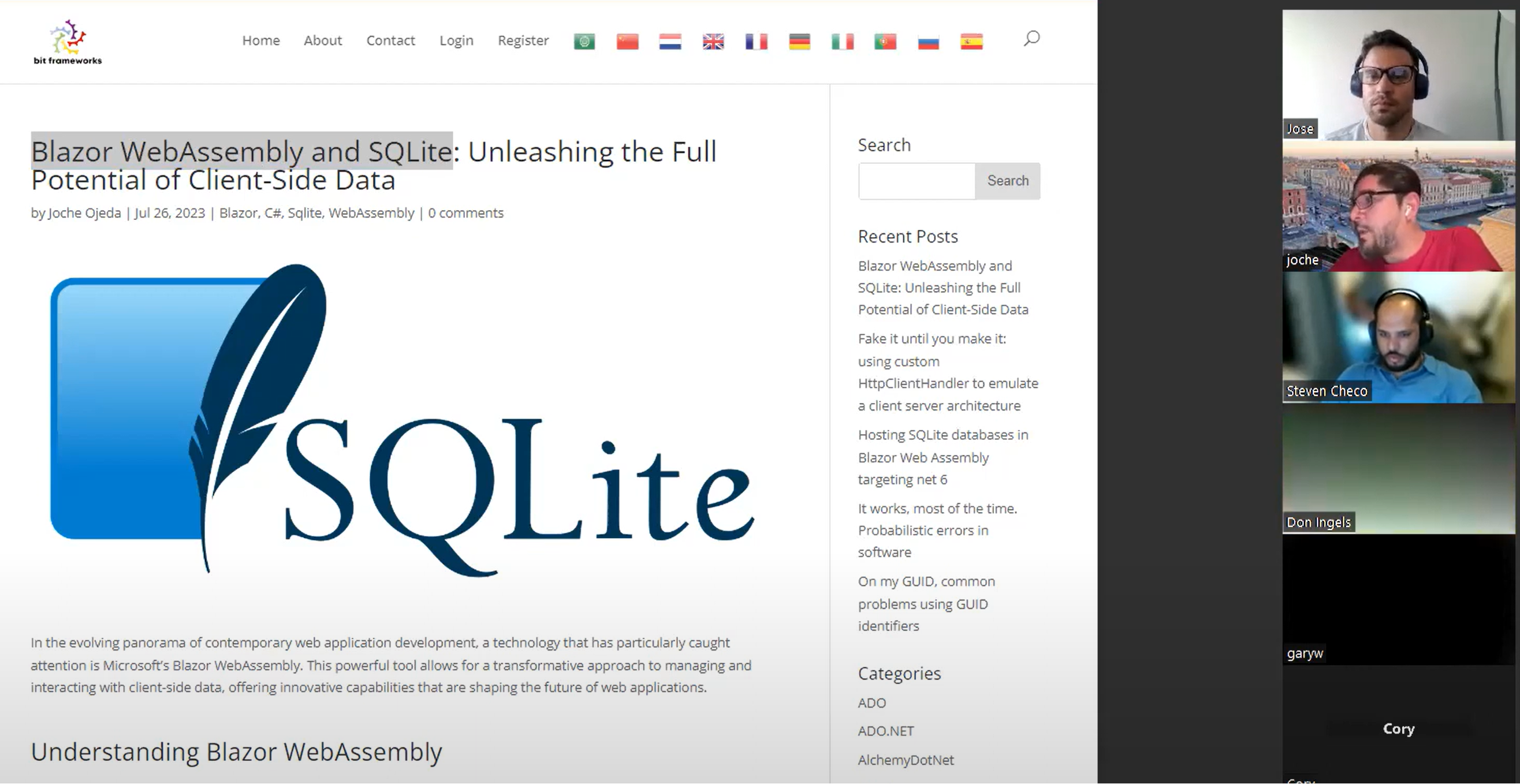
This talk dives into the fusion of Blazor WebAssembly and SQLite, showcasing how this combination enables developers to create high-performance web applications that can run in the browser without the need for server-side processing. We explore the benefits of using SQLite as a client-side database, including its simplicity, cross-platform compatibility, and efficient data management
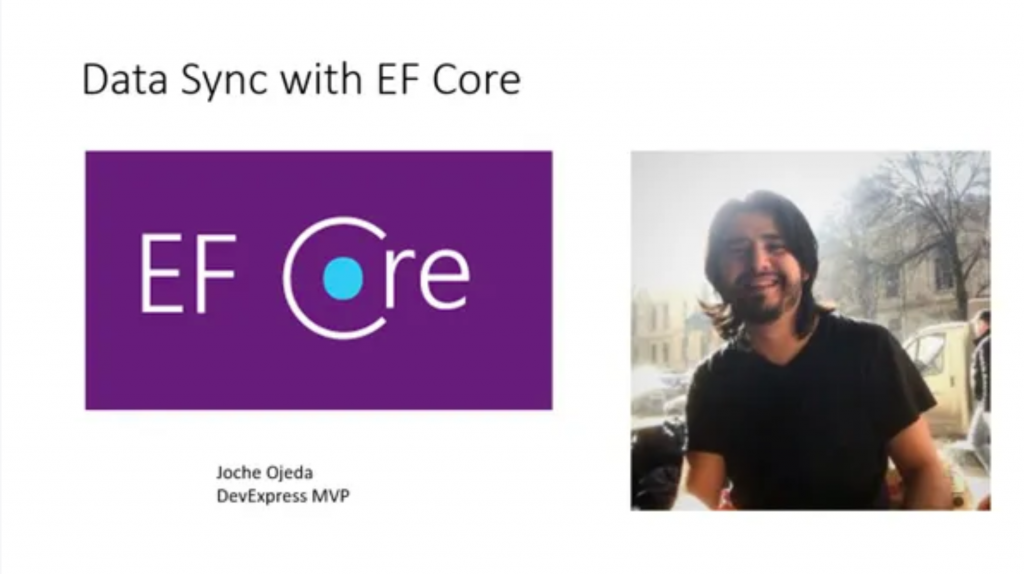
In today’s data-driven world, organizations face the ever-increasing challenge of keeping their data in sync across multiple systems and platforms. This is where Entity Framework Core (EF Core) comes into play as a powerful tool for data access and manipulation. EF Core not only simplifies data management but also provides seamless data synchronization capabilities, enabling developers to create robust and scalable applications.
Join us in this conference as we delve into the world of EF Core and explore its potential to revolutionize data synchronization.
Among the many features of XAF, the ObjectSpace class stands out as a fundamental component. In this article, we will delve into the ObjectSpace class, its purpose, and how to utilize it effectively in your XAF projects.Continue reading →
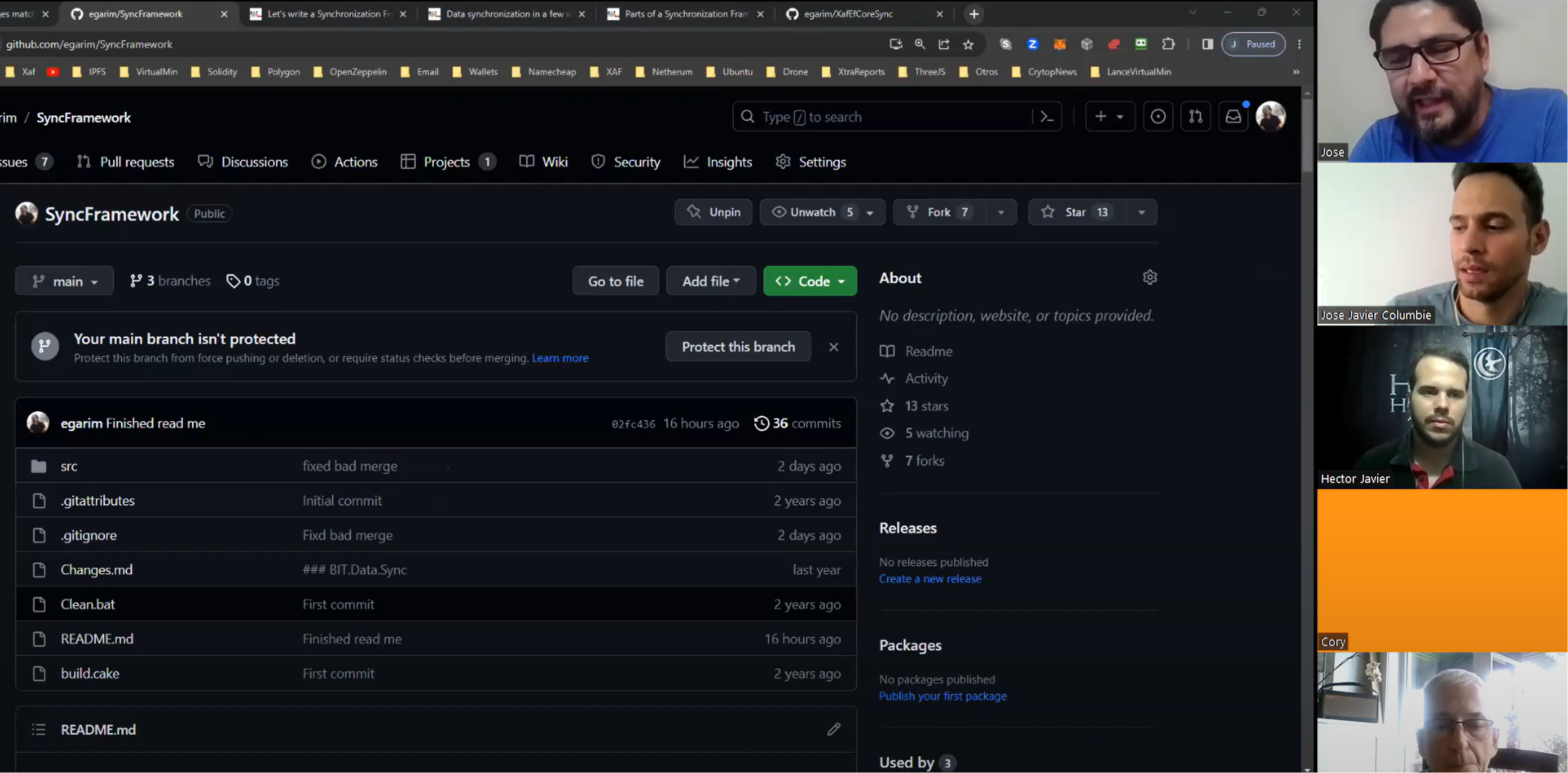
DevExpress ORM XPO is built upon several layers, each serving a specific purpose in the application’s data access and storage. In this article, we’ll discuss the main layers of XPO, including DataStore, DataLayer, ObjectLayer, Session, and UnitOfWork.
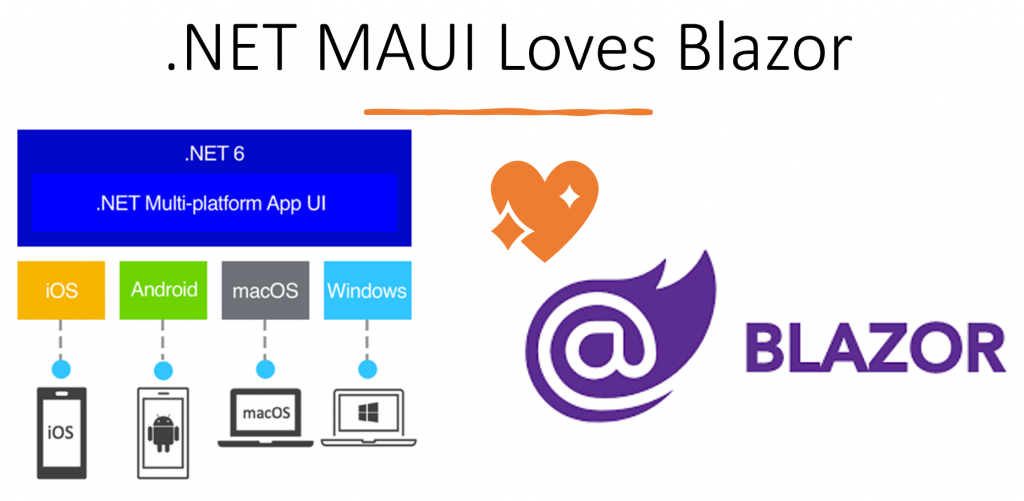
En esta charla exploraremos el emocionante mundo de las aplicaciones híbridas utilizando la combinación de MAUI (Multi-platform App UI) y Blazor. Estas dos tecnologías se han convertido en pilares fundamentales para la programación multiplataforma y ofrecen un enfoque único y poderoso para el desarrollo de aplicaciones.
Después de comprender las bases de MAUI y Blazor, exploraremos cómo se combinan estas dos tecnologías para crear aplicaciones híbridas. Veremos cómo se pueden compartir componentes y lógica de negocio entre las aplicaciones MAUI y Blazor, lo que brinda a los desarrolladores una forma eficiente de crear experiencias de usuario coherentes y fluidas en múltiples plataformas.
One of the key features of XAF is the XafDataView class, which provides a flexible and efficient way to retrieve and manipulate data in a variety of scenarios.
In this article, we’ll take a closer look at what the XafDataView class is, how it works, and how you can use it in your own projects.
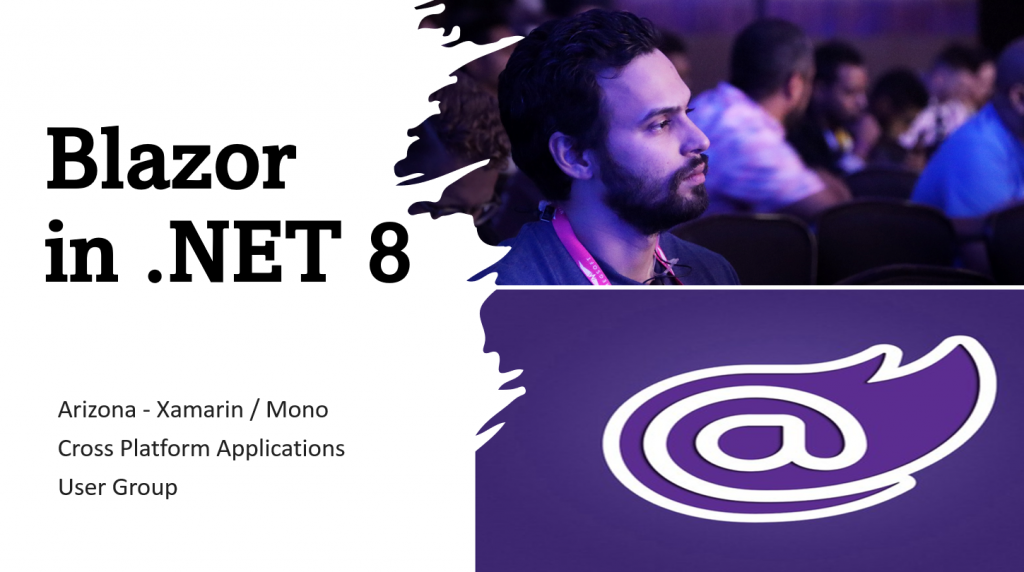
Join us for an exciting meetup exploring the cutting-edge advancements of Blazor in .NET 8.
Discover the latest features, including enhanced component development, performance optimizations, seamless integration with .NET 8, and the versatility of WebAssembly and Server-Side Blazor. Whether you’re a beginner or an experienced developer, this meetup is your opportunity to stay up-to-date and unlock the full potential of Blazor in .NET 8 for building modern, interactive web applications.